ICOM IC-A25N Handheld NAV/COM Transceiver w/ Bluetooth – Open Box: Portable Aviation Radio
ICOM IC-A25N Handheld NAV/COM Transceiver w/ Bluetooth – Open Box: Portable Aviation Radio
Blog Article
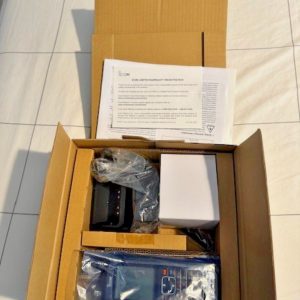
:::writingvariant="document" id="58314" ICOM IC-A25N Handheld NAV/COM Transceiver w/ Bluetooth – Open Box: Advanced Pilot Communication The ICOM IC-A25N Handheld NAV/COM Transceiver w/ Bluetooth – Open more info Box provides pilots and aviation professionals with a convenient combination of communication, navigation support, portable operation, and wireless connectivity. For budget-conscious pilots, an open-box radio may provide a practical balance between modern functionality, reliable construction, and competitive purchase value. An ICOM IC-A25N Handheld NAV can support pilots who need a portable radio for cockpit backup, preflight monitoring, flight training, and general aviation communication. As an ICOM IC-A25N Aviation Radio, the transceiver may be used during normal flight operations, communication training, airport monitoring, ground coordination, and emergency preparation. An ICOM IC-A25N Handheld Radio offers mobility that panel-mounted equipment cannot provide, allowing users to communicate from the aircraft, ramp, hangar, or operations area. The Handheld NAV/COM Aviation Transceiver format offers useful flexibility to pilots who want one compact tool for several operational requirements. Whether the requirement is a Handheld Aviation Radio, Aviation NAV/COM Radio, Pilot Handheld Radio, or Aircraft Communication Radio, buyers should review package condition, included accessories, battery health, and operational compatibility before purchase. The product can support pilots seeking a Portable Aviation Transceiver, Aviation Navigation Radio, ICOM Pilot Radio, or dependable Backup Aircraft Radio.
Overview of the ICOM IC-A25N Aviation Radio
The IC-A25N combines portable aviation communication capability with navigation-oriented features intended to support a broad range of pilot activities. A handheld NAV/COM platform can serve as primary portable equipment in suitable operations or as supplementary equipment alongside panel avionics. The radio may perform very effectively in some environments while experiencing reduced range inside certain aircraft or buildings. Familiarity transforms a portable radio from stored equipment into a practical and dependable operational resource.ICOM IC-A25N Handheld NAV Features
The navigation-oriented functions can complement normal cockpit planning when used within their intended purpose and understood limitations. Ground personnel can use an appropriate handheld radio for monitoring or coordination where local procedures and regulations allow. The handheld radio should be operated according to the manufacturer’s instructions and integrated responsibly into the pilot’s overall workflow. Pilots should avoid burying backup equipment under baggage where it cannot be reached quickly during flight.ICOM IC-A25N Aviation Radio Applications
An ICOM IC-A25N Aviation Radio can serve pilots who need portable communication for flight operations, aircraft delivery, training, airport coordination, or emergency preparedness. Pilots attending fly-ins or traveling through unfamiliar airports may appreciate having portable access to communication frequencies. A complete written inventory helps purchasers compare the open-box price with the cost of replacing missing accessories separately. Testing should occur in a lawful and appropriate manner without creating unauthorized transmissions or interfering with aviation communications.ICOM IC-A25N Handheld Radio Portability
The handheld format allows the radio to move with the pilot between personal, rental, training, business, and club aircraft. Pilots should protect the radio with a suitable case or organized storage compartment to reduce the risk of impact, moisture, connector damage, or accidental control activation. Pilots can practice with the radio at home or in a classroom while following the applicable manual and operating guidance. A portable radio should not be left in extreme heat, direct sunlight, freezing conditions, or damp environments for extended periods.Handheld NAV/COM Aviation Transceiver Applications
A feature-rich handheld transceiver can provide practical support while remaining compact enough for regular flight-bag use. The most suitable handheld radio is not necessarily the one with the longest feature list, but the one the pilot can operate confidently and maintain properly. Users should keep the operating guide accessible until they can manage essential functions without hesitation. After use, the device should be cleaned gently, charged as appropriate, disconnected from unnecessary accessories, and returned to protected storage.Maintaining a Handheld Aviation Radio
Handheld radios provide communication flexibility where panel equipment is unavailable, temporarily unpowered, difficult to access, or assigned to another aircraft. Regular practice and maintenance turn a handheld device into meaningful backup equipment rather than an unverified accessory. Accessories such as approved headset connections or suitable external antenna arrangements may influence convenience and performance. The device should not be used for casual or unnecessary transmissions that could interfere with operational communications.Choosing an Aviation NAV/COM Radio
The combined platform can be useful during training because students can explore aviation radio functions with one portable device. Menu familiarity, memory organization, display interpretation, audio control, and Bluetooth setup can improve efficient operation. The device is most effective when integrated into a disciplined aviation workflow rather than treated as a single solution for every situation. Paired accessories and Bluetooth connections should be tested so unexpected setup issues do not occur during flight.Pilot Handheld Radio for Flight Operations
Pilots may carry a handheld radio as part of a broader emergency kit that includes lights, power supplies, charts, tools, and survival equipment appropriate to the flight. Pilots should decide before departure where the radio will be located and how it will be retrieved during an abnormal situation. Training may also include using the radio with gloves, in reduced light, with a headset, or in a noisy cockpit environment. Battery condition should be reassessed as the pack ages or shows reduced capacity, charging problems, unusual heat, or physical changes.Maintaining an Aircraft Communication Radio
A handheld radio may provide additional flexibility during aircraft demonstrations, test preparation, delivery operations, or extended maintenance events. Headset and Bluetooth accessories should be tested for microphone quality and audio clarity before operational use. Moving the radio or antenna within the cockpit may influence reception, but it must remain secure and clear of controls. The radio should be protected from impact, vibration, liquid exposure, extreme temperature, and damaged accessories.Choosing a Portable Aviation Transceiver
The ability to carry the radio personally helps operators maintain access to familiar controls and stored settings. An accessory checklist may be useful for businesses or flight schools that issue the radio to different users. A wired backup arrangement may remain useful when Bluetooth accessories lose charge, disconnect, or experience interference. Careful setup allows portable wireless communication features to improve convenience without creating unnecessary cockpit distraction.Choosing an Aviation Communication Device
An Aviation Communication Device should provide clear operation, accessible controls, dependable power, suitable audio, and practical compatibility with the user’s aviation environment. The seller should explain the product’s status and disclose any evidence of use, missing materials, registration, or cosmetic handling. Users should report intermittent operation, damaged accessories, weak batteries, charging concerns, or missing components promptly. Regular updates to operating procedures may be required when accessories, paired devices, aircraft assignments, or personnel change.Handheld Aircraft Radio Benefits
Ground teams may use appropriate handheld equipment during coordinated activities where aviation communication is required and authorized. The radio provides practical value wherever access to aviation communication is useful away from a powered instrument panel. Cockpit use requires secure storage and careful cable management so the radio does not interfere with flight controls, doors, seat adjustment, or emergency movement. Charging ports and connectors should remain dry and free from debris before accessories are attached.Choosing an Aviation Navigation Radio
The aviation-focused interface is intended to support pilots who need quick access to practical features in a compact format. Pilots should confirm which navigation functions are available, how they operate, and what limitations apply before relying on them. Pilots remain responsible for route planning, weather evaluation, airspace awareness, fuel management, and safe aircraft control. Users should remove outdated memories or clearly organize frequencies to reduce confusion during operation.Choosing an ICOM Pilot Radio
The IC-A25N provides a combination of communication, navigation support, Bluetooth connectivity, and portable power suitable for varied aviation roles. An open-box unit may have excellent value, but the buyer should verify the package rather than relying solely on the model name. The correct purchasing decision reflects mission, budget, equipment condition, support needs, and actual operational preferences. Responsible ownership allows an ICOM Pilot Radio to remain a useful communication and navigation resource for many aviation activities.Maintaining an Emergency Aviation Radio
Emergency value depends on the radio being charged, accessible, configured, and familiar to the pilot before a problem occurs. Cockpit structure, antenna location, terrain, altitude, weather, buildings, and battery condition can influence emergency performance. Emergency preparation may include checking battery endurance, carrying an appropriate backup power source, protecting the antenna, and confirming headset compatibility. Any missing charger, antenna, adapter, cable, or battery concern should be corrected before the radio is relied upon.Choosing a Backup Aircraft Radio
Backup equipment can be particularly valuable during cross-country operations, aircraft delivery, training, rental flying, or travel in older aircraft. The radio should be included in preflight equipment checks appropriate to the planned operation. The pilot should determine whether the radio will be operated through its built-in audio, Bluetooth accessory, or wired headset connection. Aviate, navigate, and communicate priorities remain essential whenever communication equipment problems occur.Inspecting an Open-Box ICOM IC-A25N
The display should illuminate correctly and remain free from major damage, unreadable sections, or unexplained visual problems. The package should be compared with the seller’s inventory to confirm the radio, battery, antenna, charger, adapters, clip, documentation, packaging, and other included accessories. Navigation and communication menus should respond normally without freezing, unexpected shutdowns, or intermittent controls. A professional purchasing process protects both parties and supports a fair evaluation of the open-box aviation transceiver.Routine Care for a Handheld Aviation Radio
Long-term reliability depends on battery care, protected storage, correct charging, careful antenna handling, clean connectors, updated familiarity, and prompt attention to operating concerns. Maintenance should be completed before the radio is needed for an important flight or emergency role.- Inspect the radio body, display, antenna, battery, charger, controls, connectors, clips, cables, and included accessories before important operations.
- Confirm that paired accessories, headset connections, stored information, display settings, antenna attachment, and power level are suitable for the planned operation.
- Record any missing component, operating concern, battery issue, or required service before returning the radio to backup status.